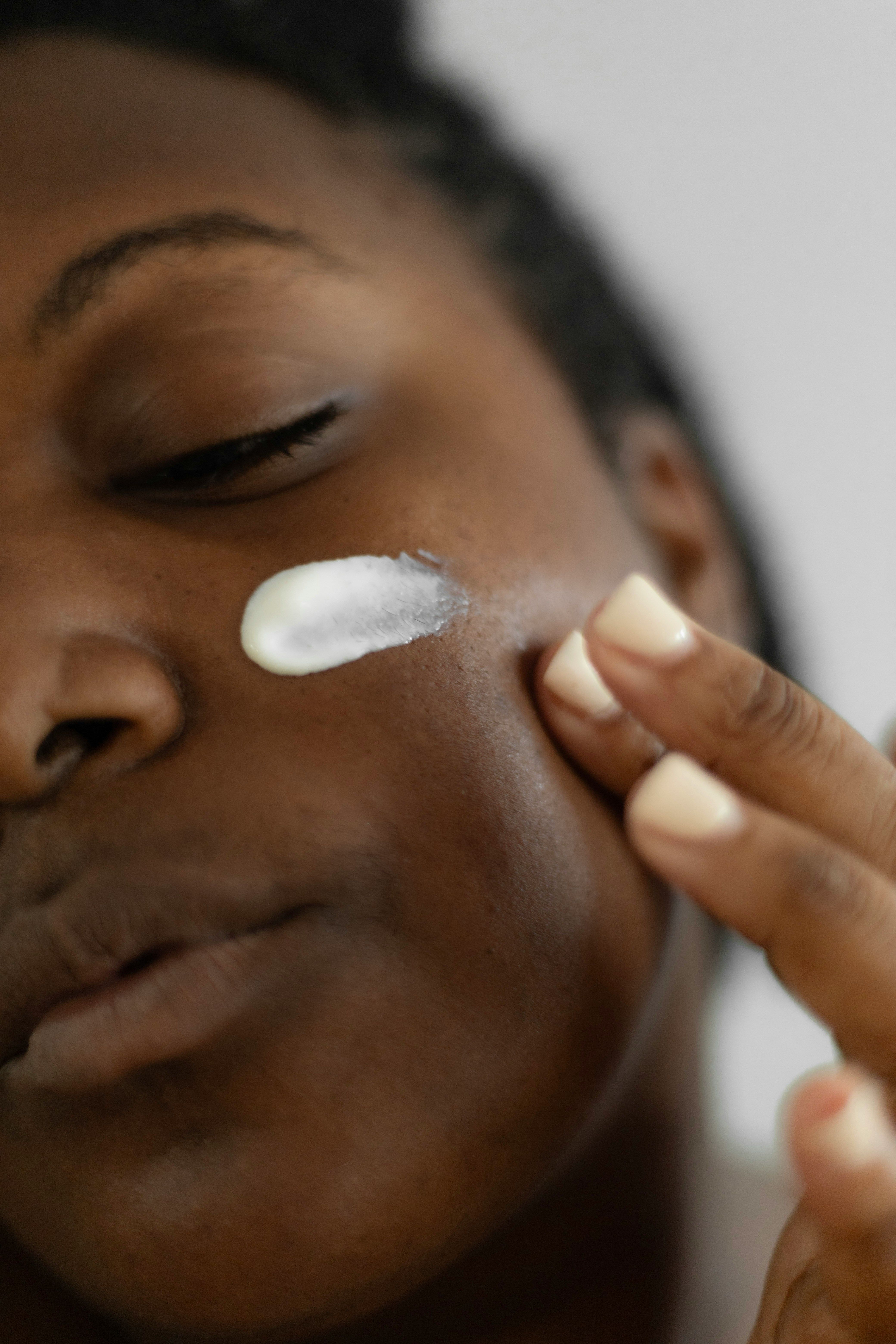
Dry skin is one of the most common skin concerns, and also one of the most misunderstood. The instinct is often to layer on more moisturiser, or to reach for the richest cream available. The more useful question is what the formula actually contains, and whether it addresses the underlying reason skin feels dry in the first place.
What is actually happening with dry skin
Dry skin is not simply a lack of moisture at the surface. It is most often a barrier issue: the outermost layer of skin is not retaining water effectively, which means moisture escapes more readily and the skin feels tight, looks dull, or develops a rough, flaky texture. External factors such as cold weather, central heating, hot showers, and certain cleansers all accelerate this water loss.
The goal is not just to add water to the skin but to slow the rate at which it leaves, and to give the barrier the building blocks it needs to function better. The ingredients that do this most effectively are the ones dermatological research consistently returns to.
Ingredients with a strong evidence base for dry skin
Ceramides
Ceramides are lipids that occur naturally in the skin's barrier, where they are among the key structural components that hold it together. When ceramide levels are depleted — through age, environmental exposure, or an impaired barrier — skin loses water more quickly and feels less comfortable. Replenishing them through skincare is associated with a more settled, comfortable-looking complexion over time. Ceramides reached dermatologist consensus for dry skin in the JAAD 2025 Delphi study, a rigorous two-round expert review completed by 62 dermatologists across 43 centres. On an ingredient list they appear as ceramide NP, ceramide AP, ceramide EOP, or simply ceramide.
Hyaluronic acid
A humectant that draws water toward the skin's surface and helps hold it there, hyaluronic acid is one of the most well-tolerated cosmetic actives in skincare. It reached consensus in the JAAD 2025 study for dry skin. It works best when applied to slightly damp skin, giving it moisture to draw from rather than pulling it up from deeper layers. Sodium hyaluronate, which appears on ingredient lists separately, is a salt form of the same molecule and performs the same function.
Urea
At cosmetic concentrations, typically under 10%, urea is both a humectant and a gentle exfoliant, associated with a softer, smoother-looking skin surface. It has a long track record in dermatological practice and reached consensus in the JAAD 2025 study for dry skin. For skin that feels rough or develops a flaky texture, it is one of the more targeted options available without a prescription.
Petrolatum
Petrolatum is an occlusive, not a hydrator — the distinction matters. Where humectants draw water to the surface, occlusives form a layer on top of the skin that slows water loss. Petrolatum is one of the most effective occlusives in skincare and has a well-documented safety record, including on reactive skin. It reached consensus in the JAAD 2025 study for dry skin and is naturally fragrance-free. Used as a final step in an evening routine, applied over a moisturiser, it seals in what has already been applied and gives the barrier time to recover overnight.
Ammonium lactate
An alpha-hydroxy acid salt that both exfoliates and hydrates at cosmetic concentrations, it gently smooths the look of rough, flaky skin while drawing water to the surface. It reached consensus in the JAAD 2025 study for dry skin and is particularly useful where dryness is combined with an uneven or textured skin surface.
The layering logic
For dry skin, the order in which products are applied matters. The general principle is lightest to heaviest: a hydrating serum or essence first to bring water to the surface, then a moisturiser with ceramides to support the barrier, then an occlusive as the final step to seal everything in if skin is very dry or reactive. Each layer does a different job, and applying them in this order means each one can work as intended.
What tends to undermine dry skin
Some foaming cleansers use surfactants that are highly effective at removing oil and debris, and also at stripping the barrier. For dry skin, a cream or milk cleanser, or a gentle low-foam formula, tends to leave the skin in better condition after washing.
Hot water dissolves the lipids in the skin's surface more effectively than warm water, accelerating moisture loss. Dry skin often comes with a somewhat compromised barrier, which makes it more susceptible to fragrance irritation — fragrance-free formulas are worth considering if skin is also reactive.
Moisturiser applied to slightly damp skin is more effective than the same product applied to skin that has completely dried out. The window after cleansing is when humectants have the most to work with.
Dewi helps you find skincare based on ingredient evidence. It is not medical advice.